Bengaluru
08048091287
+919986465377

gauges

6814772a5d263414004dd4a4 Card 2

product image
Gauges

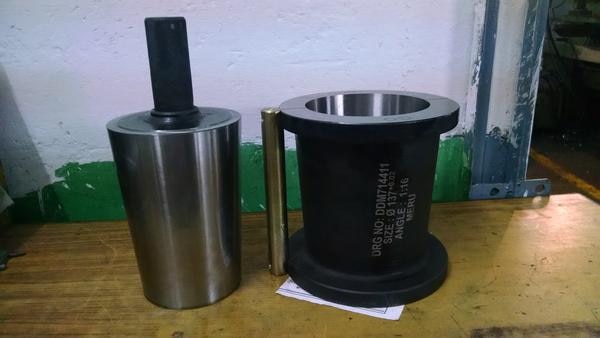
A taper plug gauge is a precision measurement tool used to check the internal taper of a hole or a conical recess. It is designed to ensure that the internal surface of a tapered hole meets specified dimensional requirements. Taper plug gauges are commonly used in industries where precise taper angles are critical, such as in machining, tool and die making, and various manufacturing processes. Here are some key points about taper plug gauges: Design: Taper plug gauges typically consist of a tapered rod or plug with a specific angle that matches the required taper. The gauge is designed to fit into the tapered hole or recess being measured. Measurement Process: The taper plug gauge is inserted into the tapered hole. The fit of the gauge within the hole is assessed to determine if it meets the specified taper angle. Verification of Tolerance: Taper plug gauges are used to verify that the taper of the internal surface falls within acceptable tolerance limits. Applications: They are commonly used in applications where tapered holes need to be accurately machined, such as in the production of machine tool components, bearings, and various precision engineering applications. Material: Taper plug gauges are typically made from hardened and precision-ground steel to ensure accuracy and durability. Taper plug gauges play a crucial role in maintaining the quality and precision of machined components with tapered features. Like other types of gauges, they contribute to quality control processes by ensuring that the manufactured parts conform to the specified design and dimensional requirements.

6814772a5d263414004dd4a4 Card 2

product image
Gauges

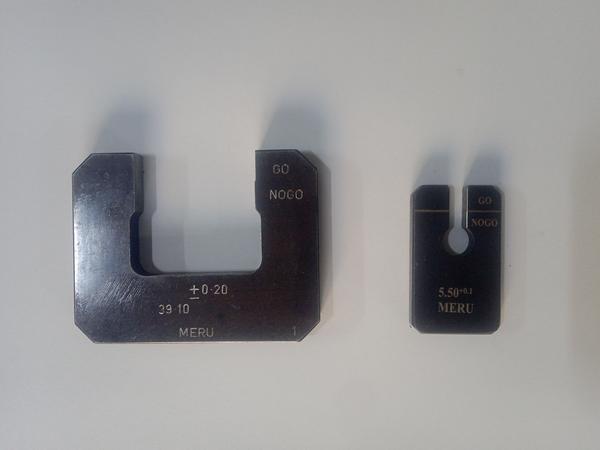
A snap gauge is a precision measuring instrument used in manufacturing and quality control processes to quickly and accurately measure the outside diameter of cylindrical objects, typically shafts or similar parts. It's designed for rapid and repetitive measurements, making it suitable for high-volume production environments. Snap gauges are particularly useful for checking the conformity of machined parts to specified tolerances. Key features of snap gauges include: Construction: Snap gauges are typically constructed with a frame or handle, anvils (measurement surfaces), and a spindle. The anvils are adjusted to the nominal dimension or tolerance range of the part being measured. Quick Measurement: The snap gauge is designed for a quick and straightforward measurement process. The part is inserted between the anvils, and if it fits within the acceptable range, it "snaps" shut around the part. Go/No-Go Gauges: Snap gauges often have a go/no-go design. The go side verifies that the part is within the acceptable tolerance range, while the no-go side checks if the part exceeds the maximum allowable size. Applications: Snap gauges are commonly used in industries such as manufacturing, automotive, aerospace, and precision engineering, where fast and accurate measurement of external diameters is critical. Versatility: They are versatile tools that can be used for measuring various sizes of cylindrical parts by adjusting the anvils to the desired dimensions. Snap gauges play a crucial role in ensuring the quality and consistency of manufactured parts, especially in mass production settings where efficiency is paramount. They provide a reliable method for operators to quickly verify that machined parts meet specified dimensional requirements.

6814772a5d263414004dd4a4 Card 2

product image
Gauges

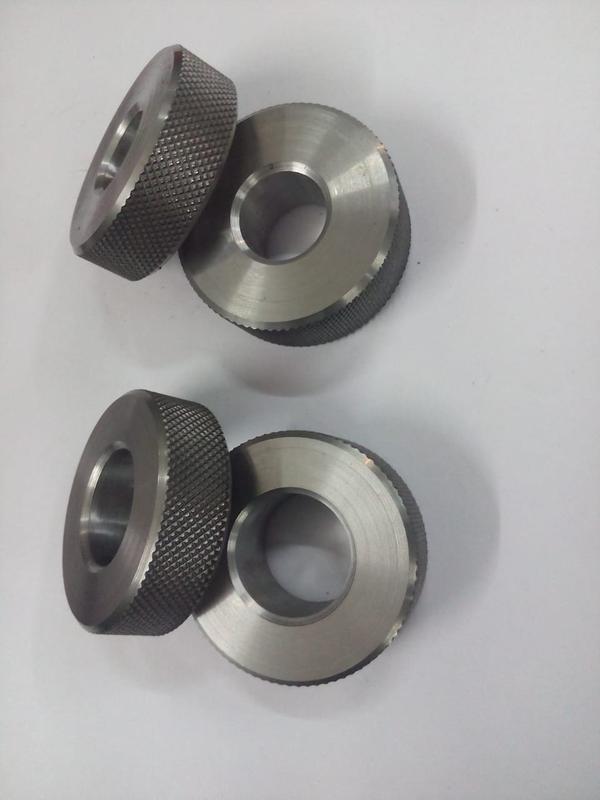
A ring gauge is a precision measurement tool used to check the external dimensions of cylindrical objects, such as the outer diameter of a round part or a shaft. Ring gauges are designed to ensure that the diameter of the measured object falls within specified tolerance limits. Here are some key points about ring gauges: Design: A ring gauge consists of a cylindrical ring with an accurately machined internal diameter. The internal diameter of the ring corresponds to a specific nominal size or a predetermined tolerance. Measurement Process: The object being measured, such as a shaft or a cylindrical part, is passed through the ring gauge. If the object fits easily through the ring gauge without resistance, it indicates that the diameter of the object is within the acceptable tolerance range. If there is resistance or if the object doesn't fit through, it suggests that the diameter is larger than the internal diameter of the ring gauge. Tolerance Verification: Ring gauges are used to verify that the external dimensions of the measured object meet the specified tolerances. Material: Ring gauges are typically made from hardened and precision-ground steel to ensure durability and accuracy. Applications: Ring gauges are widely used in manufacturing, machining, and quality control processes where precise measurements of cylindrical parts are essential. Ring gauges come in sets, each ring corresponding to a specific diameter or tolerance range. They are crucial tools for maintaining the accuracy and quality of machined components, ensuring that they meet the required specifications.

6814772a5d263414004dd4a4 Card 2

product image
Gauges

A profile plug gauge is a specialized type of gauge used to measure the complex contours, shapes, or profiles of a workpiece. Unlike a simple plug gauge that measures only the diameter of a hole, a profile plug gauge is designed to assess the overall shape and dimensions of a part, especially irregular or intricate features. Here are some key points about profile plug gauges: Complex Shapes: Profile plug gauges are constructed to match the intricate contours of a specific part or component. They are custom-made to correspond to the shape of the workpiece they are intended to measure. Quality Control: These gauges are used in quality control processes to ensure that the produced parts conform to the specified design and dimensional requirements. Customization: Due to their specialized nature, profile plug gauges are often custom-made for specific applications. The design of the gauge mirrors the unique features of the part being measured. Applications: Profile plug gauges find applications in various industries, including aerospace, automotive, and precision engineering, where complex shapes and tight tolerances are common. Precision Machining: They are particularly useful in situations where precision machining and conformity to detailed specifications are crucial. The use of profile plug gauges is part of the broader field of metrology, which involves the measurement and inspection of objects. These gauges contribute to ensuring the accuracy and quality of manufactured components, especially when dealing with intricate shapes and profiles.

6814772a5d263414004dd4a4 Card 2

product image
Gauges

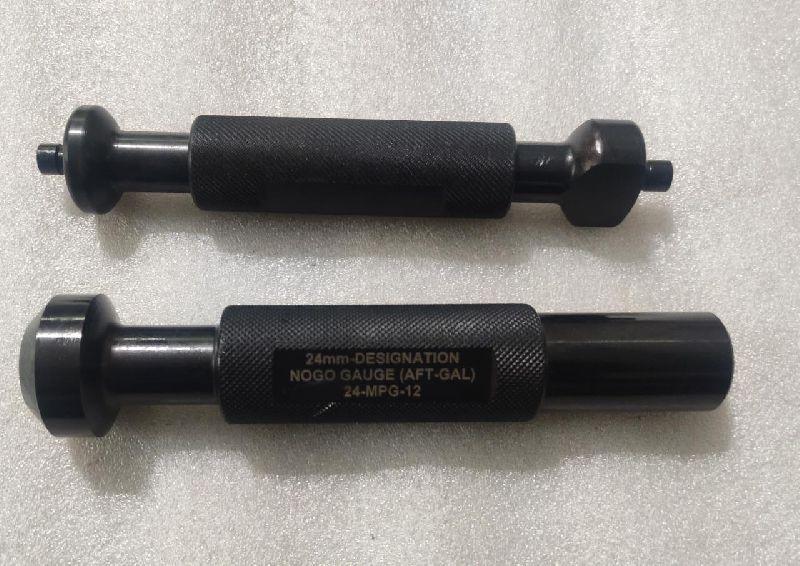
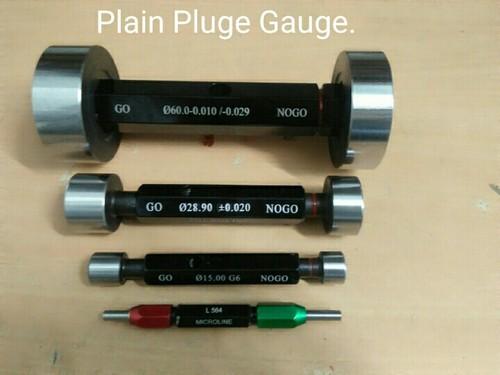
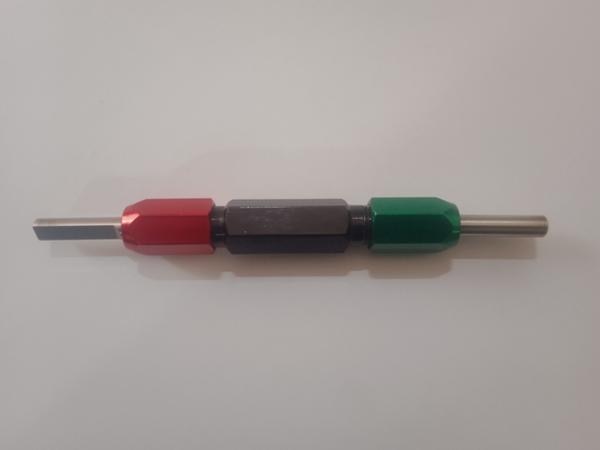
A plug gauge, similar to a pin gauge, is a precision measurement tool used to check the dimensions of holes. It consists of a cylindrical rod or plug with a precisely defined diameter, made from materials such as hardened and ground steel. Plug gauges are used to verify the internal dimensions of holes, ensuring they meet specified tolerances. Here's how plug gauges are typically used: Selection of Plug: The operator selects a plug gauge with a diameter that matches the nominal size of the hole to be measured. Insertion into the Hole: The plug gauge is inserted into the hole being measured. Checking Fit: The fit of the plug gauge inside the hole is assessed. If the plug goes in easily and fits snugly, the hole is within tolerance. If there's resistance or if the plug doesn't fit at all, it indicates that the hole is smaller than the plug diameter. Verification of Tolerance: The fit of the plug gauge helps determine whether the hole falls within the acceptable tolerance range. Plug gauges are essential tools in quality control and precision machining processes. They are commonly used in industries such as manufacturing, aerospace, and automotive, where accurate hole dimensions are critical for the proper functioning of components. Like pin gauges, plug gauges come in sets with plugs of various diameters to cover a range of hole sizes.

6814772a5d263414004dd4a4 Card 2

product image
Gauges

A pin gauge, also known as a plug gauge, is a precision instrument used to measure the diameter of holes. It consists of a cylindrical metal rod or pin with a precisely known diameter. These pins are typically made from hardened and ground steel to ensure accuracy and durability. Here's how pin gauges are used: Selection of Pin: The user selects a pin gauge with a diameter that matches the nominal size of the hole to be measured. Insertion into the Hole: The pin gauge is carefully inserted into the hole being measured. Checking Fit: The fit of the pin in the hole is assessed. If the pin goes in freely and smoothly, the hole is within tolerance. If there's resistance or if the pin doesn't go in at all, it suggests that the hole is smaller than the pin diameter. Verification of Tolerance: The fit of the pin helps determine whether the hole falls within the acceptable tolerance range. Pin gauges are commonly used in manufacturing and quality control processes to ensure the accuracy of holes in machined or manufactured components. They are crucial for maintaining precise measurements and ensuring that holes meet the required specifications. Pin gauges come in sets with pins of varying diameters, allowing for a comprehensive range of measurements.

Subcategory Tags

Phone Number

Email Address merushiv@yahoo.com

Mon-Thu: 10 AM - 2 PM • Fri: 3 PM - 7AM

Other Website Visit our other website
Address

India, Bengaluru